

La recomendación de la revisat de referencia en viajes, Condé Nast Traveler
Ver noticia
No encontrarás en nosotros un hammam tradicional.
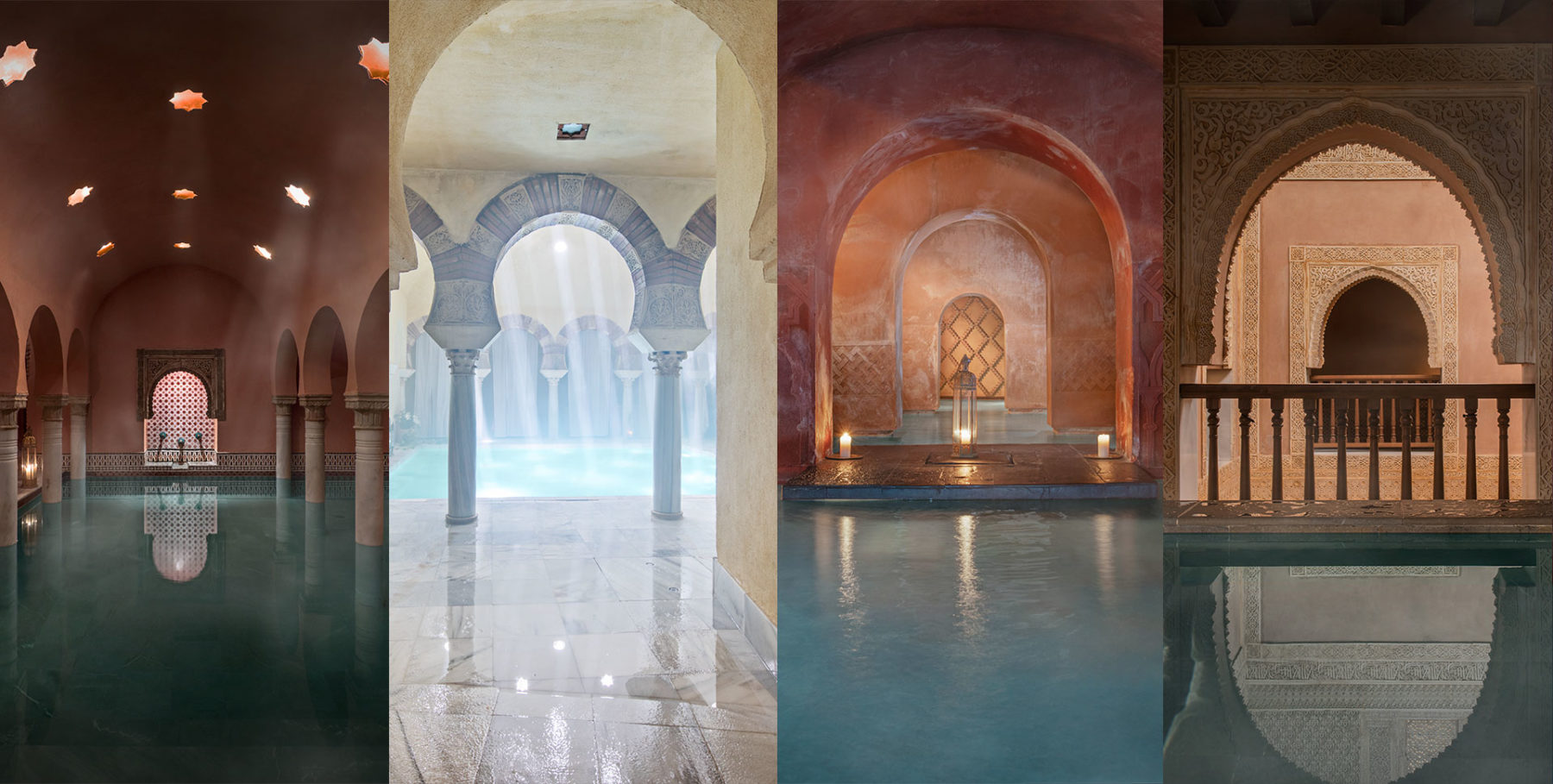
Somos una reinterpretación contemporánea de los antiguos baños de Al Ándalus: Jardines de agua y silencio en el centro de la ciudad llenos de mimo y relajación.
Sentirás el Viaje del Agua, masajes, rituales y vivencias con los que conectar con tu Naturaleza Interior.

Nuestro Hammam de Granada es como la propia ciudad que lo alberga: agua oculta a los pies de la Alhambra que llama a la tranquilidad y al contacto con el corazón siempre latente de Al Ándalus.

Nuestros baños árabes de Córdoba son poesía de piedra y de luz. Reflejos de una ciudad señorial que fue la capital de Al Ándalus recuperados en clave contemporánea para tu disfrute.

Nuestro hammam en Madrid es un recordatorio del origen andalusí de la ciudad y de su íntima relación con el agua. Un rincón secreto de serenidad y sosiego donde encontrar tu Naturaleza Interior.

El hammam de Málaga. Desde la sencillez de su fachada se eleva elegante, monumental y acogedor. Reflejo de la luz de su ciudad, espacio donde encontrarnos con la más alta cultura del agua, del cuerpo y de la hospitalidad.
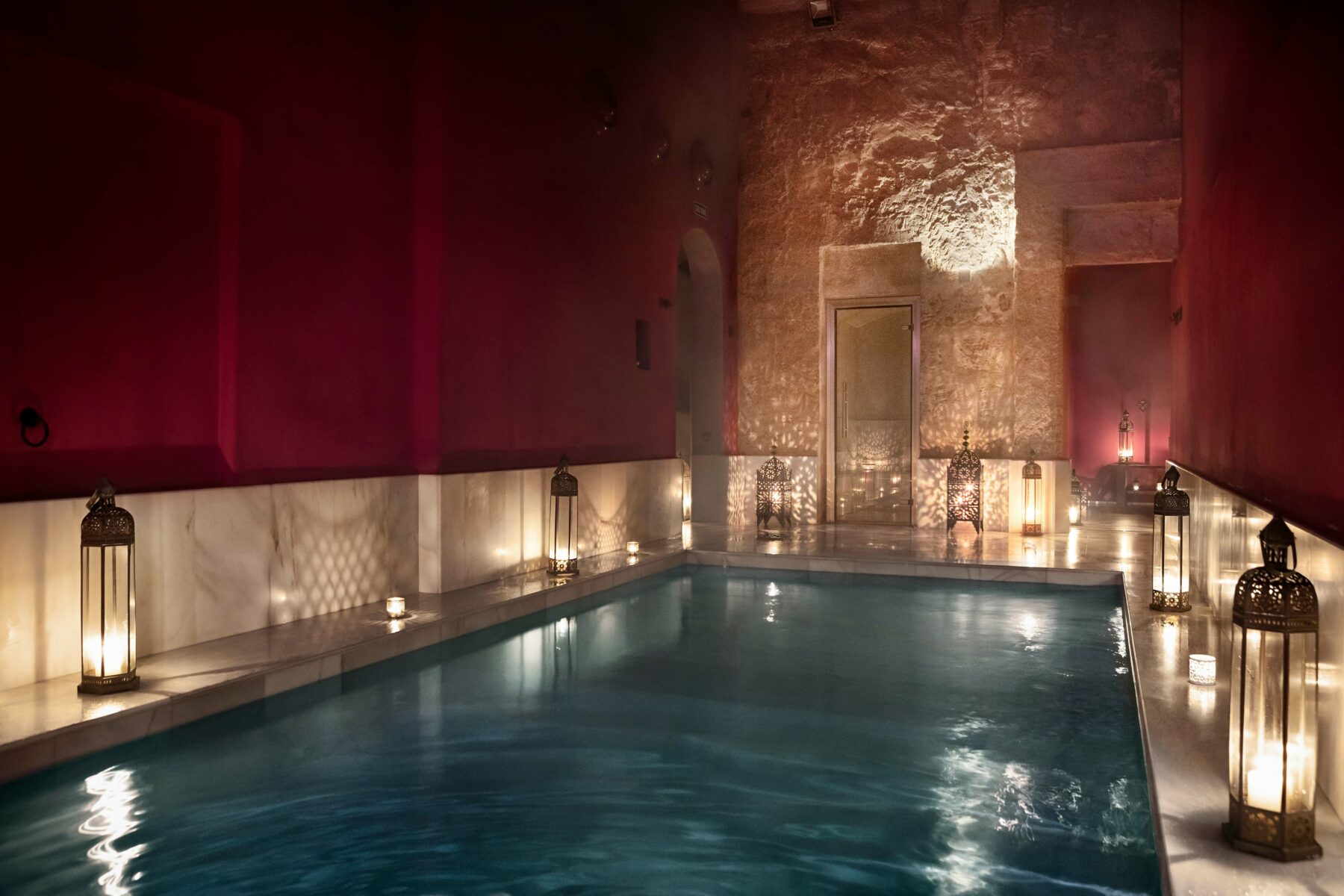
El pasado andalusí de Palma, Medina Mayurka, emerge de nuevo en la ciudad con el objetivo de ser albergue de salud y tranquilidad para todo aquel que busque la experiencia Hammam en la hermosa isla mallorquina.
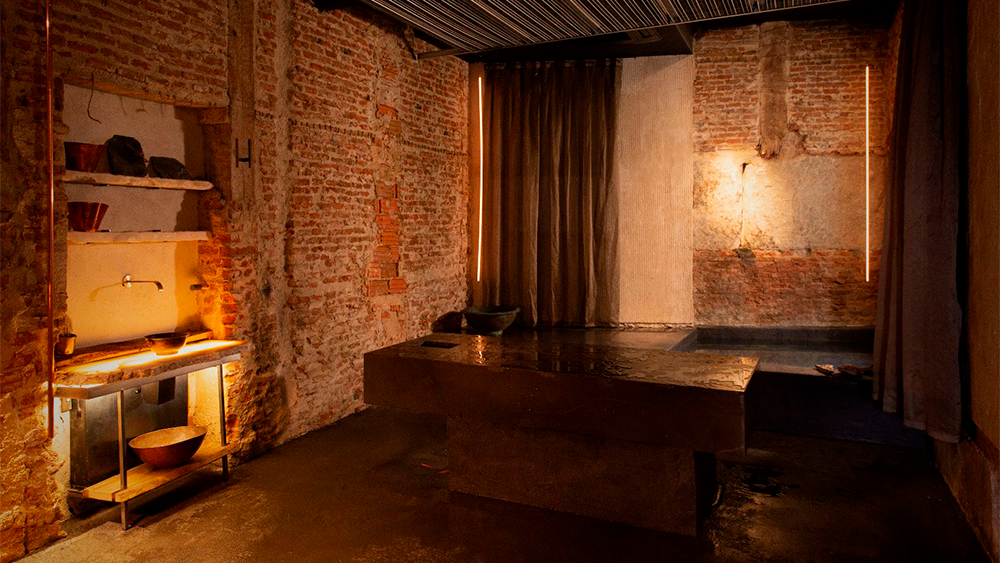
Mucho más que un centro de bienestar, HALMMA es una experiencia inmersiva de masaje a través de los sentidos, es un viaje capa a capa que conecta cuerpo y mente.
Con una arquitectura emocional e inmersiva cada detalle ha sido cuidadosamente pensado para brindarte una vivencia excepcional en un entorno que rompe con lo tradicional.
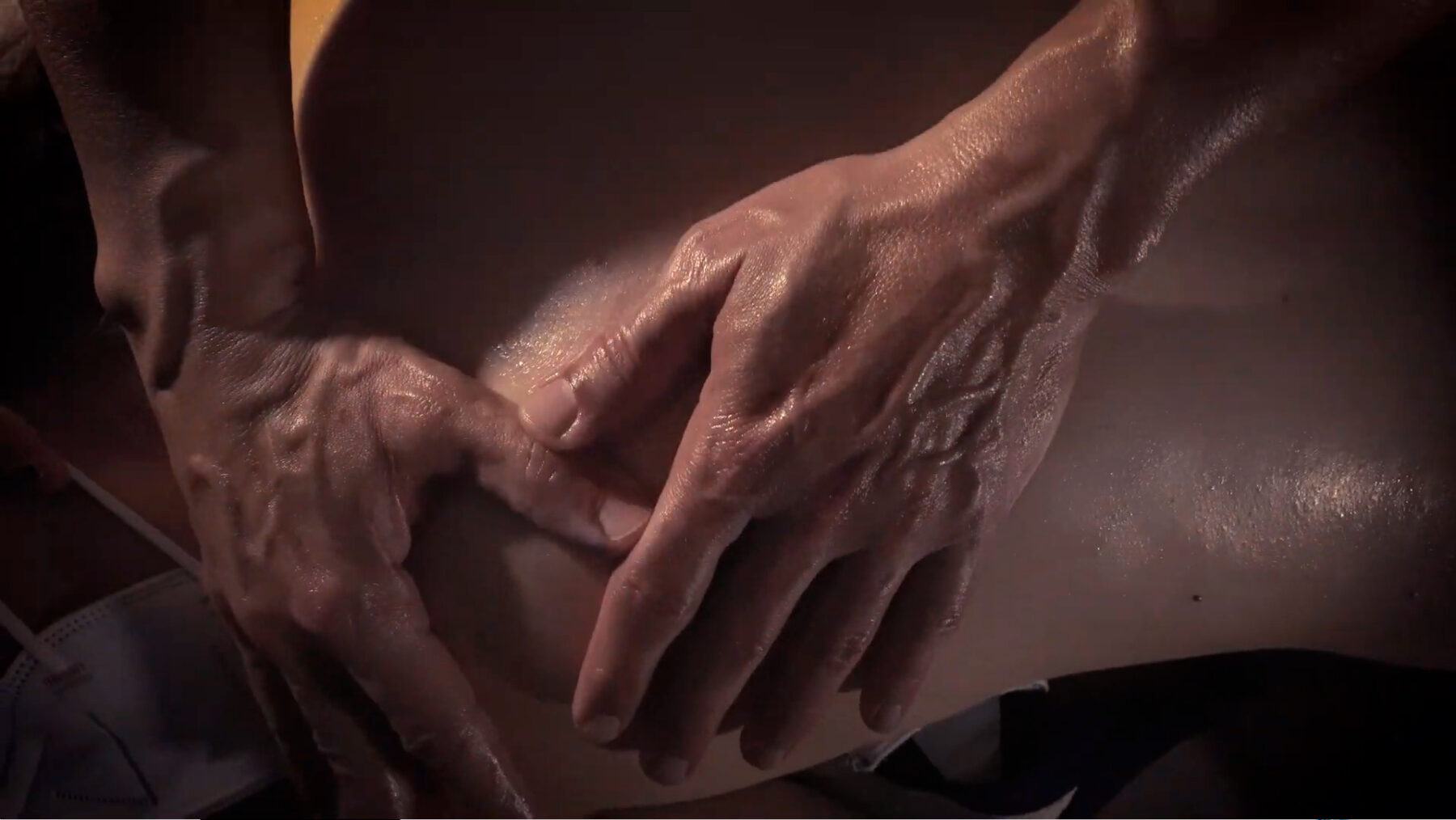
Expertos masajistas utilizan técnicas únicas combinadas con la presencia del agua, transportándote a un estado onírico que conecta con lo más profundo de tu ser.
Sumérgete en un viaje de sensaciones, en un mundo irreal, donde los masajes despiertan tus sentidos y elevan tu bienestar, transportándote a un estado de plenitud y armonía.
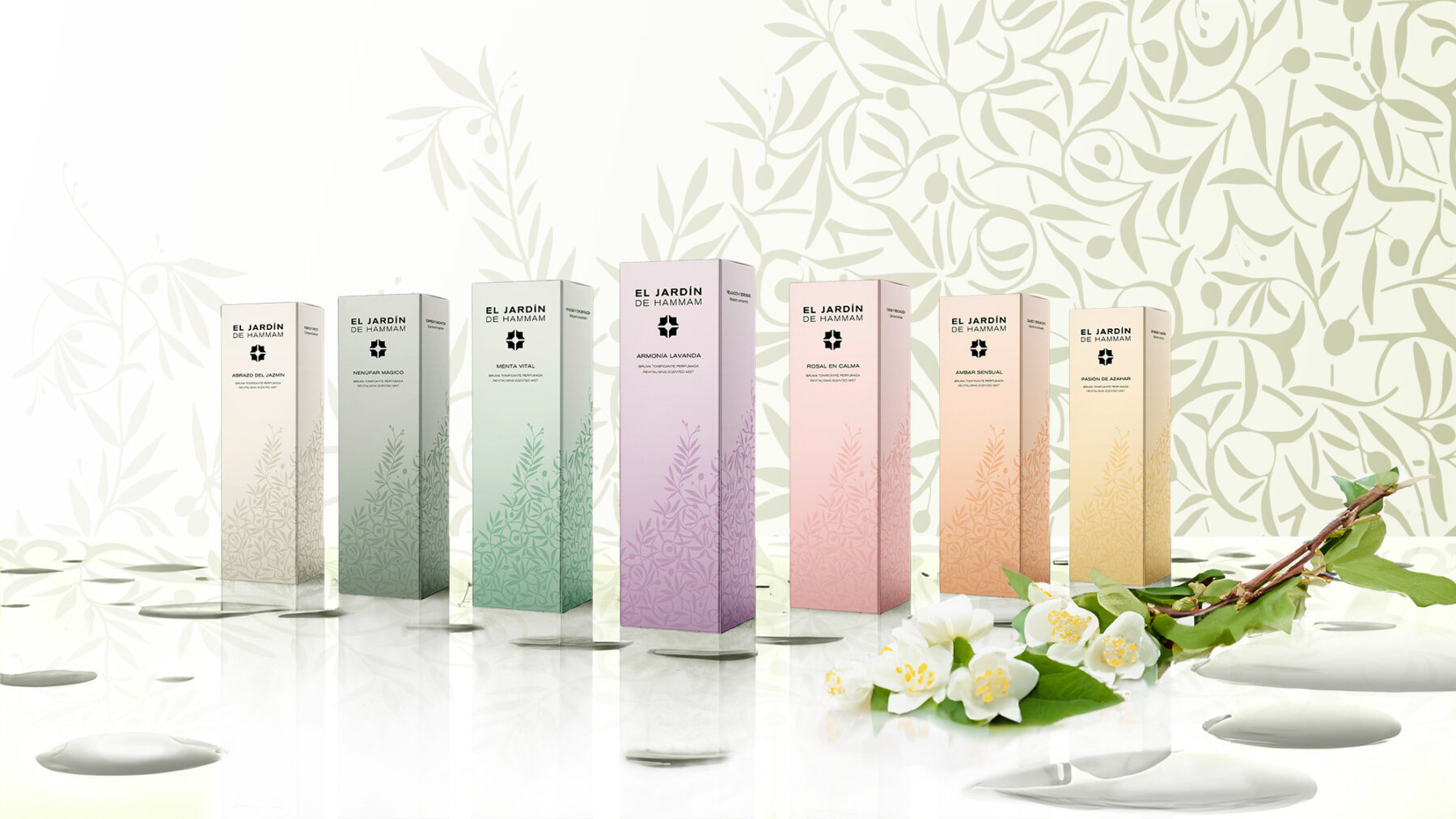
Nueva gama de productos ecológicos experienciales y muy mediterráneos basados en el Aceite de Oliva y en ingredientes naturales que hacen la delicia de nuestros viajeros.
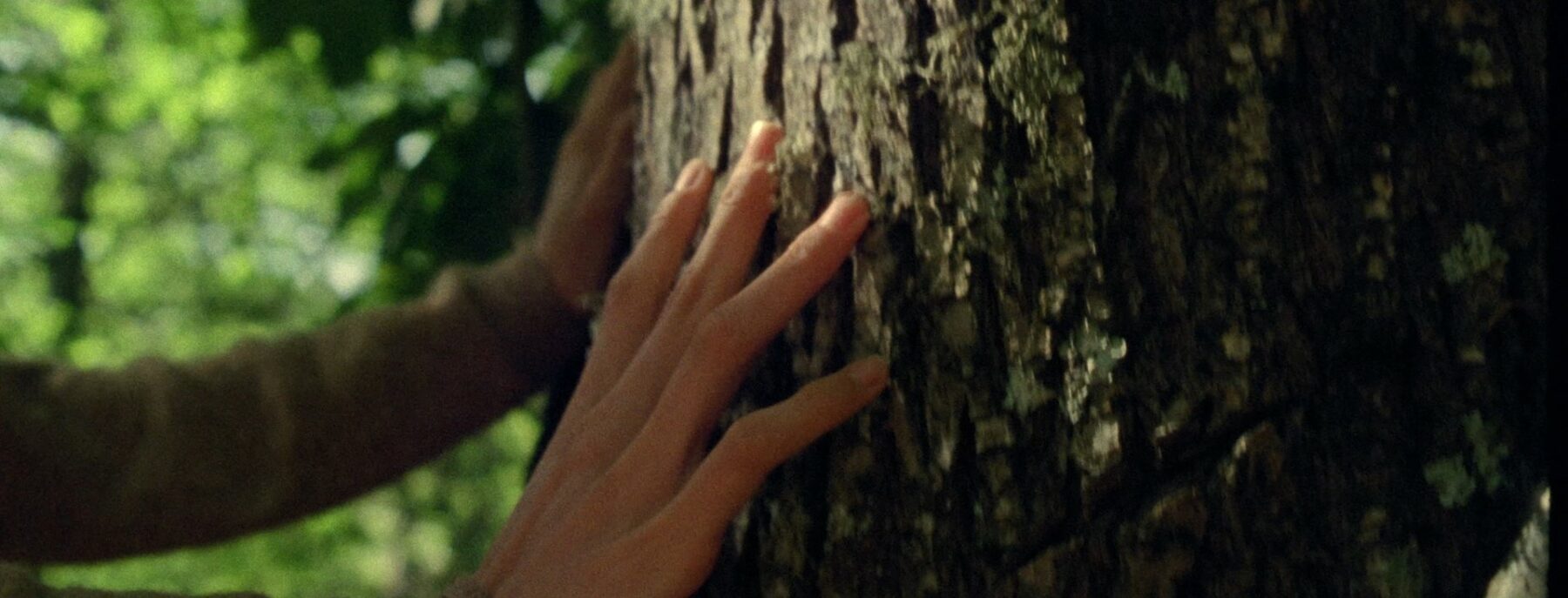
En Hammam Al Ándalus tenemos un compromiso con el medioambiente, el desarrollo sostenible y la transparencia. Nuestra prioridad es cuidar de nuestras ciudades, cuidar de nosotros mismos y de las generaciones por venir. Es por ello por lo que desde nuestros inicios y como parte de nuestra forma de trabajar, en Hammam Al Ándalus hemos puesto en marcha iniciativas concretas para mitigar el impacto de nuestras emisiones y lograr la sostenibilidad en nuestros centros.
Llevamos la esencia de la experiencia Hammam a la seguridad de tu hogar. Con la garantía de Hammam Al Ándalus.

La naturaleza es metáfora y puente que nos conecta en Hammam Al Andalus. Espacio y tiempo para abrir tus sentidos a la experiencia del agua, la luz, los aromas, los sonidos y el silencio, aportando el estado de calma y bienestar necesarios para ese reencuentro con lo que somos.
La recomendación de la revisat de referencia en viajes, Condé Nast Traveler
Ver noticia
Experiencia Ingoya Hammam Al Ándalus
Ver noticia
Los mejores balnearios de Madrid: ya es hora de liberar el estrés y desconectar del mundo
Ver noticia